
Smart Estate Sale Pricing Strategies for a Successful 2026 Sale

Drive through almost any town lately and the pattern is hard to miss: bright estate sale signs at intersections, cars lining the curb, and early shoppers waiting at the front door with coffee in hand.
A big reason is the “Silver Tsunami.” Millions of Baby Boomers are downsizing, moving closer to family, settling estates, or starting new retirement chapters. Homes filled over decades are entering the resale market, and buyers now have more choices than ever.
That makes pricing the heart of a successful sale.
Price too high, and even wonderful pieces sit untouched. Price too low, and the estate leaves money behind. The winning approach is clear, current, and realistic. It matches each item to what today’s buyers are willing to pay, not what the family remembers paying years ago.
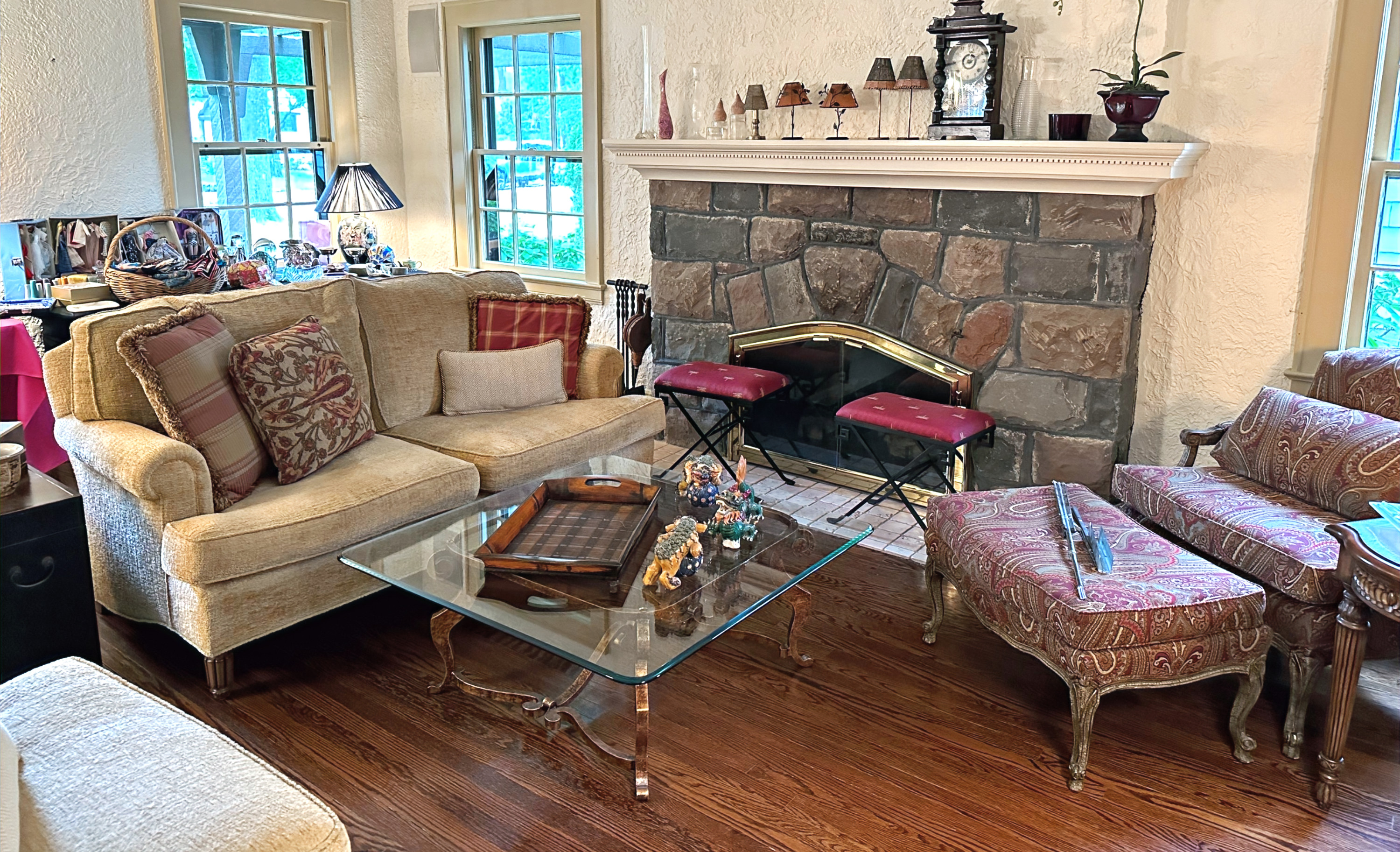
The 2026 estate sale market is full of opportunity
The secondary market is busy, but it is not evenly busy for every category. Some items are moving quickly because they fit how people live now. Other items have softened because there is more supply than demand.
That does not mean “old” equals unwanted. It means pricing needs to follow the market.
In 2026, many shoppers are looking for items that feel personal, useful, well made, or easy to blend into today’s homes. They want pieces with character, but they also want them to fit into smaller spaces, modern apartments, first homes, workshops, and creative studios.
Items that often attract strong interest include:
Mid-century modern furniture
Clean lines, solid wood, smaller footprints, and recognizable styling keep these pieces popular.
Authentic vintage fashion
Quality coats, denim, boots, handbags, scarves, and jewelry can draw loyal shoppers.
Quality tools
Hand tools, garage equipment, yard tools, and workshop basics often sell well when priced clearly.
Functional kitchen items
Mixers, cookware, small appliances, cast iron, and everyday kitchen workhorses appeal to practical buyers.
Fine art and original decor
Paintings, sculpture, studio pottery, and signed works can stand out when researched properly.
Precious metals
Gold, silver, and sterling pieces require careful identification and current market awareness.
By contrast, some categories face heavy supply. Traditional dark mahogany dining sets, large 1990s media centers, standard crystal, and mass-market collectibles can be harder to sell at old expectations.
The key is not to dismiss these items. The key is to price them where today’s shoppers see value.
Original cost is not the same as current value
One of the most common pricing mistakes is starting with what the item originally cost.
A family may still have a receipt showing a dining room set cost thousands in 1995. That receipt tells a story, but it does not set the estate sale price. The same goes for collector plates, crystal bowls, entertainment centers, and limited-edition items that were heavily advertised in past decades.
Estate sale value comes from current demand, local buyer behavior, condition, style, and ease of resale.
A buyer standing in the living room is asking a few practical questions:
Will this fit in my home?
Can I move it today?
Is the style useful or desirable right now?
Is the price fair compared with what else I can buy?
Do I love it enough to act before someone else does?
That is why listing prices online can be misleading, too. An online listing only shows what a seller hopes to get. Sold prices matter more, and even those need context. Shipping costs, platform fees, seller reputation, regional taste, and condition all affect what something is truly worth in an estate sale setting.
A $300 online asking price may translate to a much lower in-home sale price if the item is bulky, common, or hard to transport. On the other hand, a modest-looking tool, lamp, painting, or fashion piece may bring strong interest because shoppers recognize its quality.
Sentimental value deserves respect, but it cannot set the price
Every estate sale includes memory.
The dining table held decades of holiday meals. The tea set came out for special visits. The china cabinet stood in the same corner for as long as anyone can remember. These things matter deeply, and families should never feel wrong for caring about them.
But shoppers are not buying the memories. They are buying the item as it fits their own life.
That difference can feel emotional, especially during a move or estate transition. A professional liquidation team helps by creating a useful buffer between the family’s memories and the market’s response.
That does not mean stripping away meaning. It means honoring the home while still making smart selling decisions.
A good estate sale company will often:
Recognize items that need special research
Separate personal keepsakes before pricing begins
Explain why certain pieces are priced lower or higher than expected
Identify categories with strong buyer demand
Set prices that invite action instead of hesitation
The best pricing is not cold. It is careful.

Smart pricing creates energy on sale day
Estate sales have their own rhythm. The first morning often brings the most serious shoppers. They scan quickly, compare prices, and decide whether the sale is worth their time. If prices feel fair, they stay longer, build piles, ask questions, and tell others.
If too many prices feel inflated, the room gets quiet.
Smart pricing helps create momentum. It gives buyers confidence that the sale is worth exploring. It also helps move a large volume of items in a short time, which is often the real goal.
Most estate sales are not about selling one or two trophy pieces. They are about responsibly clearing a home while recovering fair value across hundreds or thousands of items.
That means the pricing strategy has to account for the whole house.
Pricing choice | What often happens | Better approach |
Price from old receipts | Items may sit because buyers do not share the same reference point | Use current resale demand and condition |
Aim high on every item | Shoppers may assume the whole sale is overpriced | Price key items strongly and common items realistically |
Copy active online listings | Prices may reflect wishful thinking, not sold value | Look at sold results and local demand |
Delay discounts too long | Too much remains at the end of the sale | Plan a clear markdown schedule |
Price emotionally | Family expectations may clash with buyer behavior | Let trained pros guide pricing decisions |
Good pricing does not mean cheap pricing. It means credible pricing. Buyers can feel the difference.
Categories need different pricing strategies
A successful 2026 sale rarely uses one pricing formula for everything. Furniture, jewelry, tools, art, clothing, books, and kitchen goods all behave differently.
Furniture should be priced for style, condition, and moveability
Furniture pricing has changed a lot. Large, formal pieces can be beautiful, but they may not match current homes or apartment sizes. Smaller, flexible, well-built pieces often have wider appeal.
A professional pricer will look at:
The style and age
Wood quality and construction
Condition issues such as scratches, fading, odors, or loose joints
Whether it can fit in a typical vehicle
Whether buyers will need help moving it
Local demand for that category
A mid-century dresser in good condition may deserve a strong price. A large entertainment center from the 1990s may need a bargain price to move at all.
Collectibles need a reality check
Many families remember when collector plates, figurines, dolls, baseball cards, holiday villages, and plush collectibles seemed like sure investments. Some still have value, especially rare or high-quality examples. Many common ones do not.
The most useful question is simple: Are today’s buyers actively competing for this?
If not, pricing should encourage impulse purchases or lot sales. Grouping similar collectibles can work better than pricing every item as if it were rare.
Jewelry and precious metals need extra care
Gold, silver, sterling flatware, coins, and fine jewelry should never be priced casually. These items need accurate identification and, when needed, separate appraisal support.
Costume jewelry can also perform well, especially vintage pieces with style, signed pieces, or wearable designs. A tangled box of jewelry may hide better items, so sorting matters.
Everyday goods should not be underestimated
Kitchen tools, linens, garden supplies, cleaning items, craft materials, hardware, and small appliances often seem ordinary. Yet these categories can add meaningful sale income when they are clean, organized, and priced to move.
People love useful things at fair prices. A garage full of tools or a kitchen full of practical items can produce strong results when shoppers can see what is available.

A professional pricing process protects the whole sale
Trusting liquidation pros can be hard when the home is full of personal history. Still, experienced estate sale teams bring something families usually do not have: repeated, recent, real-world buyer feedback.
They know what shoppers pick up first. They know which items trigger negotiation. They know when a price is too high for the room, even if it looks fair online. They also know when a valuable item needs extra research before it goes on the floor.
A strong pricing process usually includes several steps.
Sort before pricing
Personal documents, family photos, medications, legal papers, and obvious keepsakes should be removed before sale setup. This protects privacy and keeps the sale focused.
Identify higher-value items
Art, jewelry, coins, military items, designer fashion, sterling silver, fine rugs, antiques, and rare collectibles may need special attention. These pieces should not get lumped in with general household goods.
Price for the full sale timeline
Many estate sales use a staged pricing plan. Strong interest items may be priced firmly on day one. Later in the sale, discounts help clear remaining inventory. This plan should be discussed ahead of time so the family knows what to expect.
Make prices easy to understand
Clear tags reduce confusion. Shoppers should not have to ask about every plate, book, lamp, or tool. Easy pricing keeps traffic moving and helps staff answer better questions.
Leave room for buyer psychology
Estate sale buyers enjoy the hunt. They also enjoy feeling that they found a fair deal. Prices that are too rigid can slow the sale. Prices that are too low can raise doubts about quality. The sweet spot gives buyers confidence and still protects the estate.
The best sales balance revenue and cleanout goals
Every estate sale has two goals.
The first is financial return. The estate should earn fair money for the belongings being sold.
The second is progress. The home needs to be cleared, listed, transferred, renovated, or settled. Items that do not sell may create extra hauling, donation, storage, or labor costs.
That is why the highest price is not always the best price.
For example, keeping a large cabinet priced at $900 because it once cost much more may feel logical. But if similar pieces are sitting unsold across the market, the estate may end up paying to remove it after the sale. A realistic price early on could attract a buyer who handles pickup and clears valuable space.
Smart Estate Sale Pricing Strategies for a Successful 2026 Sale should always consider the total outcome, not just the tag on one item.
A great sale feels active. Rooms open up. Tables clear. Buyers leave happy. The family sees progress instead of piles left behind.
How families can support smart pricing without taking over
Families play an important role, even when professionals handle the sale. The best support comes before pricing begins.
Gather any helpful background you already have:
Purchase receipts for truly valuable items
Appraisals for jewelry, art, rugs, or antiques
Notes about provenance or maker history
Original boxes, certificates, or manuals
Keys for cabinets, clocks, trunks, and equipment
Information about repairs or known condition issues
Then give the sale team space to apply current market knowledge.
It can also help to choose a few items the family wants to keep before the sale process begins. Once pricing starts, second-guessing can slow the work and create confusion. If an item is emotionally important, remove it from the sale area early.
A simple rule works well: keep what carries irreplaceable family meaning, and let the market decide the rest with guidance from people who sell these items every week.

Smart pricing turns a packed home into a successful sale
A house full of belongings can feel overwhelming at first. Every closet, cabinet, shelf, and drawer holds a decision. The right pricing strategy turns that stress into a plan.
The 2026 resale market rewards accuracy. Mid-century furniture, vintage fashion, quality tools, functional kitchen goods, fine art, and precious metals may draw eager buyers. Over-supplied categories need honest pricing and smart presentation. Sentimental pieces deserve care, but their sale prices must reflect what today’s shoppers will pay.
The most successful estate sales happen when families trust experienced liquidation pros to read the market, price with purpose, and keep the sale moving.
When the doors open, the goal is simple: fair prices, happy buyers, steady progress, and a home that is ready for its next chapter.


Comments